Why does the Toyota bZ5 suit buyers in Russia?
The bZ5 charges on GB/T, the same standard as most Chinese EVs already in Russia, so it plugs into much of the existing charging base without adapters. It adds a Toyota badge, a heat pump on every trim and a roomy 4780 mm body with a 2880 mm wheelbase. The 2027 PRO and higher trims have heated and ventilated front seats; 2025 PRO and higher have heated seats.
- GB/T AC and DC inlets, widely supported in Russia alongside CCS2.
- Heat pump and heated door mirrors standard on every trim.
- LFP battery of 65.28 or 73.98 kWh, CLTC range 550 or 630 km.
- Left-hand drive, matching Russia's right-hand traffic.
- Longest range: the 2027 630 PRO.
What import rules apply to new and used EVs?
Vehicles entering Russia must comply with the EAEU technical regulation TR CU 018/2011 on the safety of wheeled vehicles. In practice that means a type approval or an individual vehicle design safety certificate (SBKTS) before an electronic vehicle passport (EPTS) can be issued.
Russia also charges a utilization (recycling) fee on imported passenger cars. Since late 2025 the calculation takes motor power into account, and electric car rates changed again from 1 January 2026. The bZ5 has 200 kW (272 PS), which matters for that calculation. Cars with Chinese registration history are treated as used, and duty and fee bands depend on age.
The utilization fee, customs duty and certification rules change often. Give your customs broker the power figure (200 kW / 272 PS) and the car's age before you order. We do not quote Russian fees.
How does an LFP battery handle Russian winters?
LFP cells lose more usable range and accept DC charge more slowly in deep cold than in mild weather. The heat pump reduces the energy spent on cabin heating, but plan winter routes with a wide margin, charge soon after driving while the pack is warm, and park in heated garages where you can. We do not publish winter range figures; the manufacturer quotes CLTC ranges only.
How is the bZ5 shipped to Russia?
Depending on the destination, cars travel overland by car-carrier truck or rail through China–Russia border crossings, or by sea to Vladivostok, Novorossiysk or St Petersburg by Ro-Ro or in 40ft containers. The route, freight and delivery date are confirmed for each order.
What documents come with each car?
Each car ships with the commercial invoice, packing list, transport document, Chinese export clearance papers including the EV export licence, and the vehicle technical data your certification body needs for SBKTS. We send photo or video confirmation at every milestone.
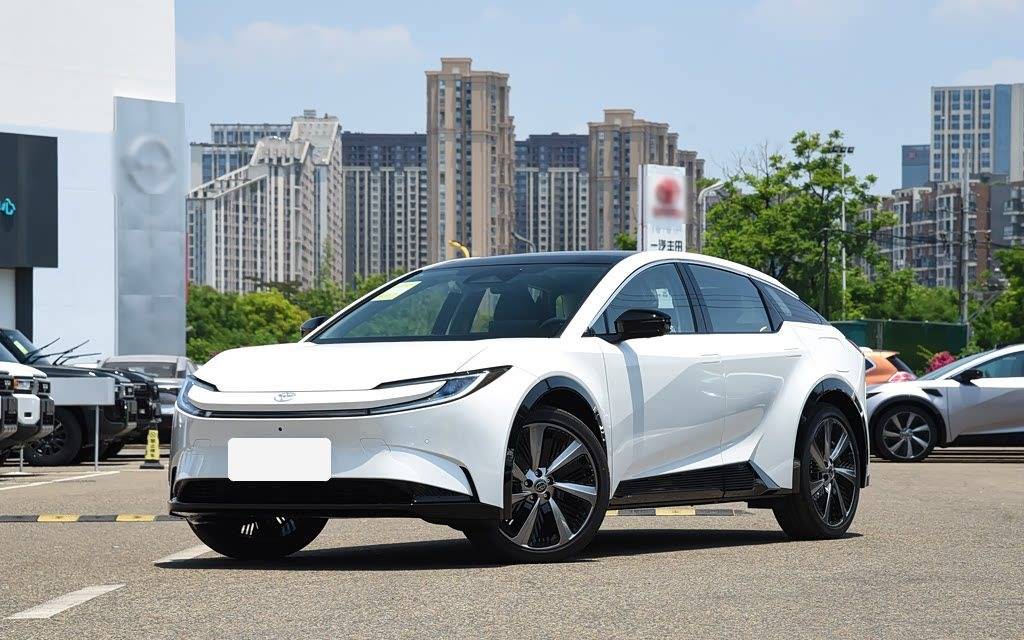
2027 · Electric SUV · LHD
Toyota bZ5 2027 630 PRO
- Range
- 630 km
- Battery
- 73.98 kWh
- Power
- 200 kW
Export price
Price on request
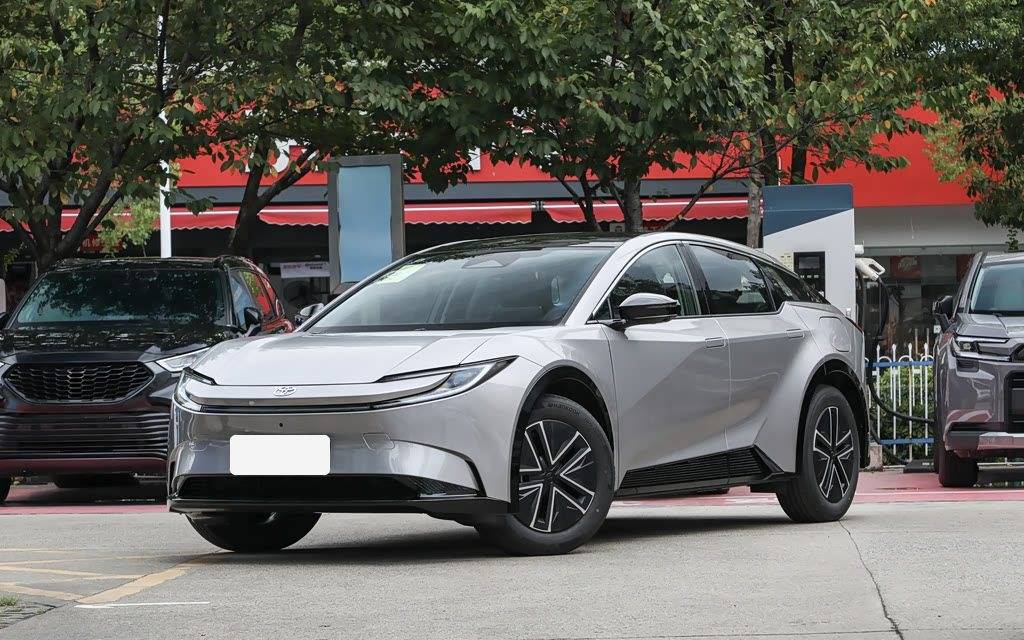
2027 · Electric SUV · LHD
Toyota bZ5 2027 550 PRO
- Range
- 550 km
- Battery
- 65.28 kWh
- Power
- 200 kW
Export price
Price on request
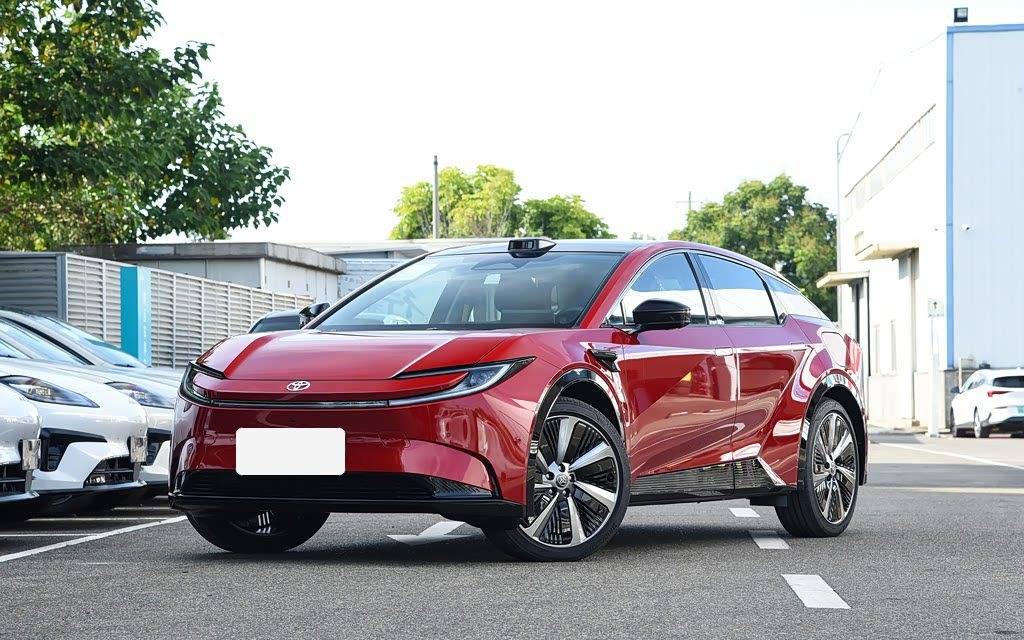
2025 · Electric SUV · LHD
Toyota bZ5 2025 630 PRO Smart Drive
- Range
- 630 km
- Battery
- 73.98 kWh
- Power
- 200 kW
Export price
Price on request
How to get a FOB/CIF quote for Russia
Send model year, trims, colours, quantity and delivery point. Taxi parks can read how to run a bZ5 to high mileage, and buyers looking for lower-cost stock can ask about used and nearly new bZ5 units.
Questions buyers ask
Does the bZ5 need an SBKTS to be registered in Russia?
Vehicles imported into the EAEU must meet TR CU 018/2011. For individual imports this is usually done through an SBKTS issued by an accredited body, needed before an electronic passport (EPTS). We supply vehicle data and export documents; your certification body and broker handle the Russian side.
How much is the utilization fee on a bZ5?
We do not quote it, because the fee depends on importer type, age and power and has changed several times, including for electric cars from 1 January 2026. The bZ5 has 200 kW (272 PS). Give that figure to your customs broker for a current calculation.
Can the bZ5 use Russian public chargers?
Yes, where the charger has a GB/T connector, which is common in Russia because of the number of Chinese EVs on the road. Sites with only CCS2 need an adapter. DC charging peaks at 90 kW, and 30% to 80% takes about 27 to 29 minutes in mild conditions (manufacturer data).