Why does the Toyota bZ5 suit buyers in Kazakhstan?
Kazakhstan already runs many Chinese EVs, so GB/T charging is familiar and the bZ5 fits straight into that infrastructure. It adds a Toyota badge, a standard heat pump and a mid-size body with a 2880 mm wheelbase and 463 L boot, a good fit for Almaty and Astana taxi and corporate fleets. Rated consumption of 13.4 to 13.5 kWh per 100 km (manufacturer data) keeps energy costs predictable for high-mileage drivers.
- GB/T AC and DC inlets, commonly accepted at Kazakh charging sites.
- Heat pump on every trim; heated front seats on PRO and higher.
- Left-hand drive, matching Kazakhstan's right-hand traffic.
- Taxi-friendly entry trim on 225/60 R18 tyres: the 2027 550 JOY.
What import rules apply to new and used EVs?
As an EAEU member, Kazakhstan applies TR CU 018/2011 on wheeled vehicle safety, so imported cars need a type approval or an SBKTS before an electronic passport is issued. Customs is run by the State Revenue Committee (kgd.gov.kz).
The temporary duty-free EAEU regime for electric cars ended for Kazakhstan at the end of 2025, and the State Revenue Committee has said EVs are imported under the general procedure from 2026, with duties and taxes paid. Used cars with Chinese registration history may be assessed differently from new ones.
Duty, VAT, recycling and registration fees for EVs in Kazakhstan have changed recently. Confirm the current figures with your customs broker before ordering; we do not quote them.
How does the bZ5 handle Kazakh winters?
The heat pump cuts the energy used for cabin heating, but LFP batteries still lose range and charge more slowly in deep frost. Taxi parks should plan charging with margin, charge right after shifts while the battery is warm and keep cars in sheltered parking where possible. The manufacturer publishes CLTC ranges only; we do not quote winter figures.
How is the bZ5 shipped to Kazakhstan?
Kazakhstan borders China, so cars usually travel overland by car-carrier truck or rail through crossings such as Khorgos or Alashankou–Dostyk rather than by sea. Transit time and freight are confirmed per order, and in-stock cars leave within 10 working days after payment.
What documents come with each car?
Each car comes with the commercial invoice, packing list, transport document, Chinese export clearance papers including the EV export licence, and the technical data needed for SBKTS. We send photo or video confirmation at loading and departure.
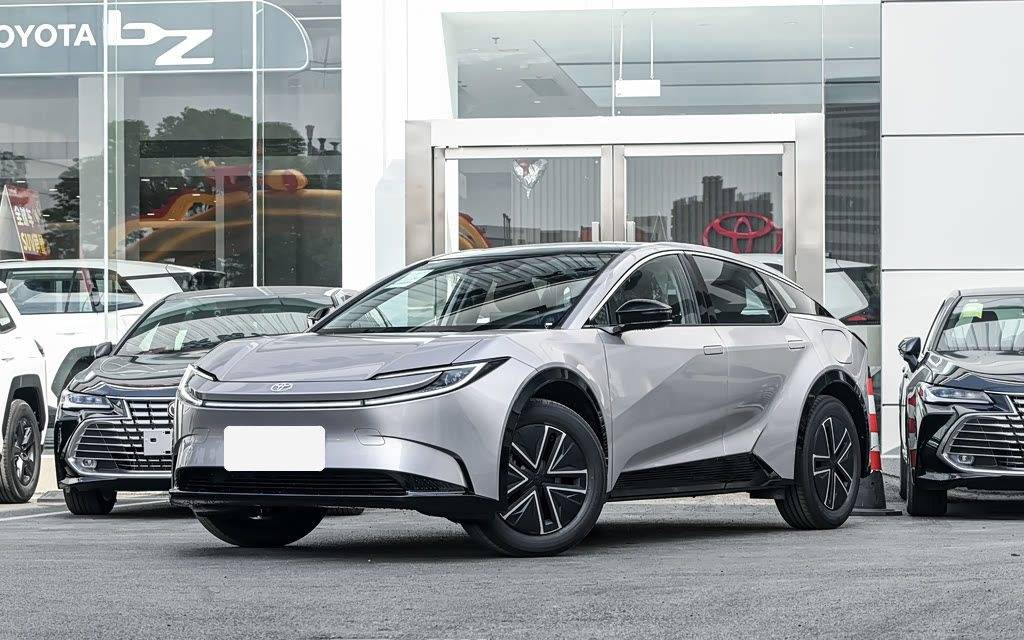
2027 · Electric SUV · LHD
Toyota bZ5 2027 550 JOY
- Range
- 550 km
- Battery
- 65.28 kWh
- Power
- 200 kW
Export price
Price on request
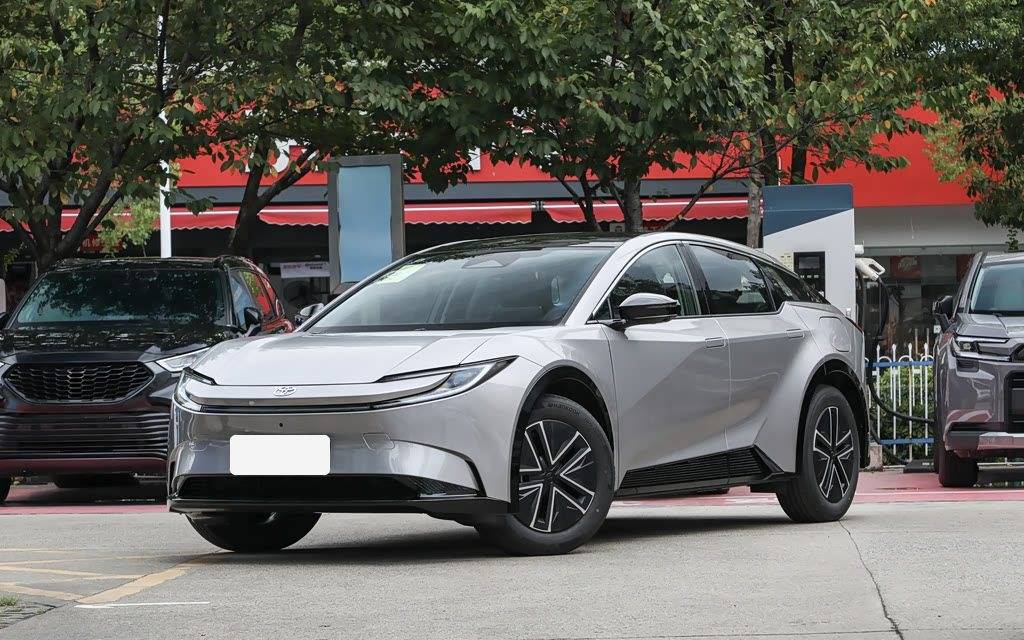
2027 · Electric SUV · LHD
Toyota bZ5 2027 550 PRO
- Range
- 550 km
- Battery
- 65.28 kWh
- Power
- 200 kW
Export price
Price on request
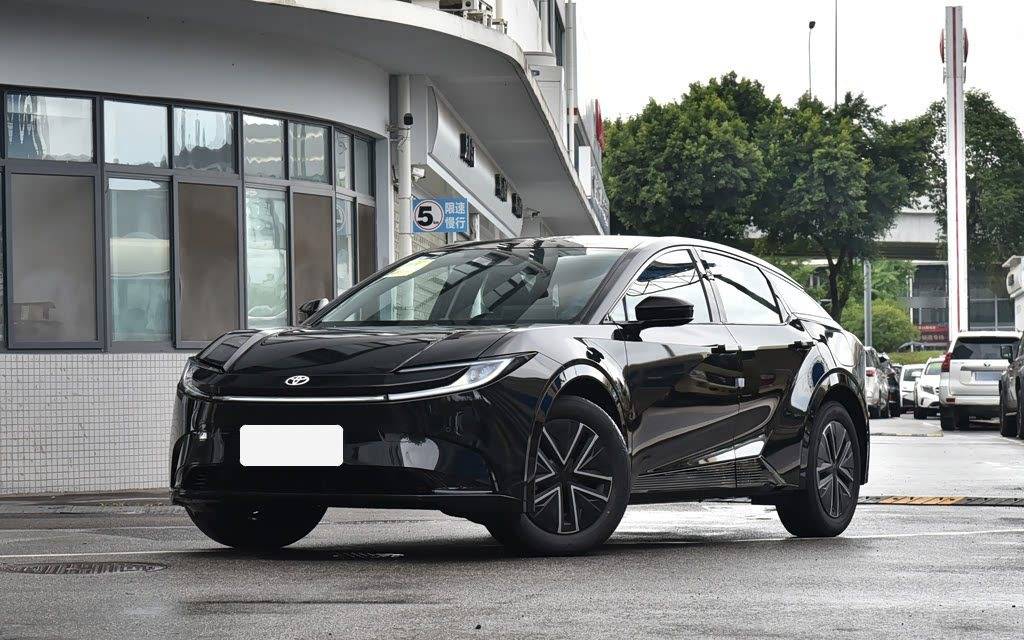
2025 · Electric SUV · LHD
Toyota bZ5 2025 550 JOY
- Range
- 550 km
- Battery
- 65.28 kWh
- Power
- 200 kW
Export price
Price on request
How to get a FOB/CIF quote for Kazakhstan
Send model year, trims, colours, quantity and delivery city. Taxi parks should read why the bZ5 is a strong fleet SUV and our fleet solutions page; the six-step order flow is on the export process page.
Questions buyers ask
Is the Toyota bZ5 still duty-free in Kazakhstan?
Not according to the State Revenue Committee, which said electric vehicles are imported under the general procedure from 2026, with duties and taxes paid, after the EAEU duty-free regime ended for Kazakhstan. Rules may change again, so confirm the current position with your customs broker.
How does the bZ5 reach Kazakhstan from China?
Usually overland, by car-carrier truck or rail across the China–Kazakhstan border, for example via Khorgos or Alashankou–Dostyk. Freight and delivery date depend on your city and order size and are confirmed per order. Mixed trims can travel together.
Will the bZ5 charge at Kazakh stations?
Yes, at stations with GB/T connectors, which are common because of the number of Chinese EVs in the country. CCS2-only sites need an adapter. Depot fleets usually install GB/T AC wall boxes for overnight charging, which takes about 9.5 to 11.5 hours from empty.