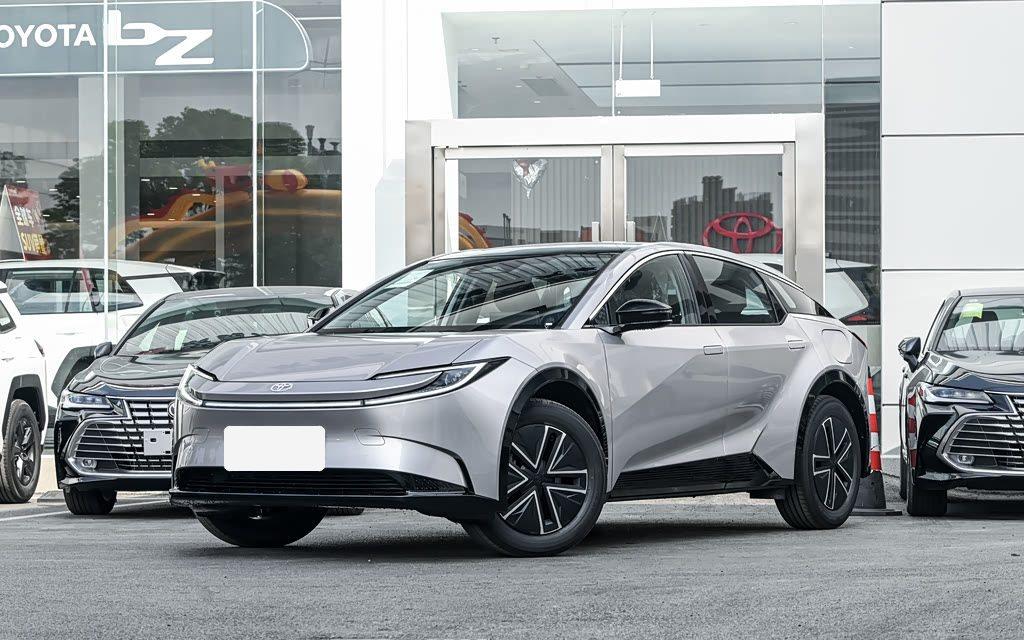
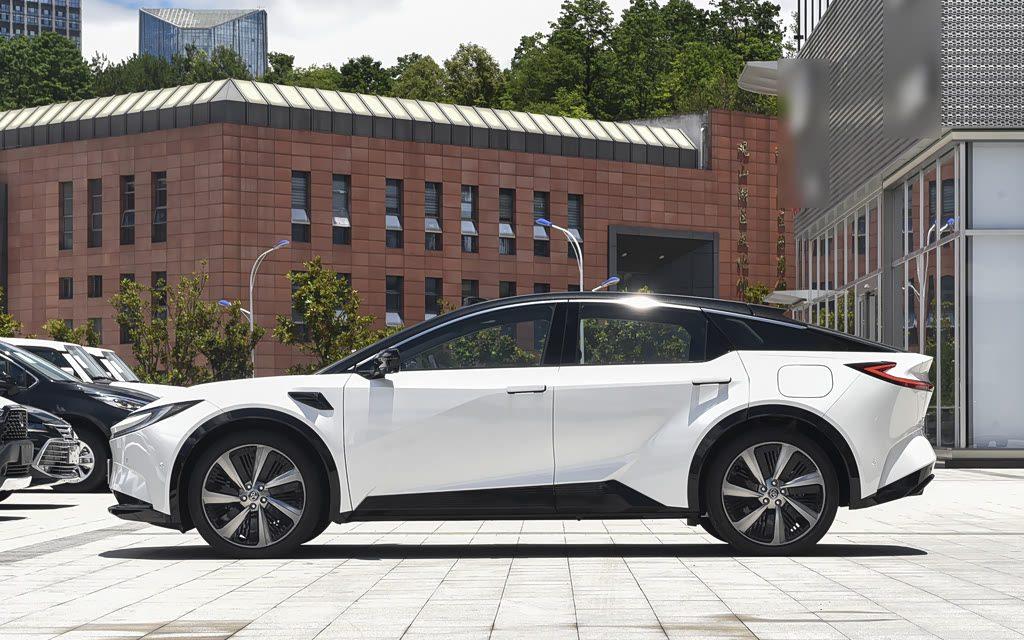
The Secret to Running a Toyota bZ5 as a 500,000-km Fleet Taxi
There is no secret part, just the right battery chemistry and disciplined habits. Here is the cycle-life maths behind a 500,000-km bZ5 taxi, the charging and maintenance routine that protects it, and what nobody can guarantee.
By EVtoU
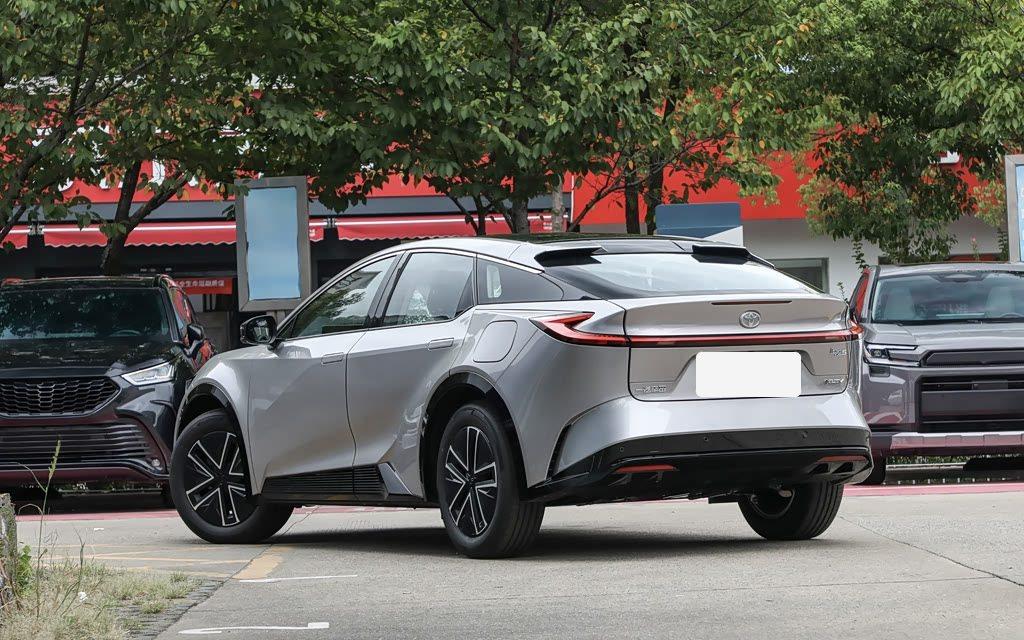
Short answer: a Toyota bZ5 has a realistic chance of reaching 500,000 km in taxi service because its FinDreams LFP battery would need only around 1,200 to 1,500 full charge cycles to cover that distance, well within what LFP cells are generally designed for. Getting there depends on charging habits, heat management, tyres, suspension care and driving style. Nobody, including us, can guarantee it: exported cars carry no factory warranty, and real results depend on use.
This guide is written for taxi parks and ride-hailing operators planning to run the bZ5 hard. It is general fleet practice; always follow the owner's manual and service information for the car.
How many charge cycles is 500,000 km?
The useful way to think about battery life is in full equivalent cycles: one cycle is charging from empty to full once, or twice from 50% to 100%, and so on. The CLTC range is optimistic for taxi work, so use a conservative real-world figure.
| Version | CLTC range | Assumed real taxi range per full charge | Full cycles for 500,000 km |
|---|---|---|---|
| 550 (65.28 kWh) | 550 km | 350–420 km | About 1,190–1,430 |
| 630 (73.98 kWh) | 630 km | 400–480 km | About 1,040–1,250 |
LFP cells are widely rated by the battery industry for several thousand cycles before they fall to around 80% of their original capacity, far more than most nickel-based chemistries. We do not have a published cycle rating for this specific pack, so treat the comparison as reasoning, not a promise. The point is that the battery is unlikely to be the first thing that limits a well-run bZ5 taxi.
Battery capacity fades gradually rather than failing at a fixed mileage. A taxi at 500,000 km may still work with noticeably less range than when new. Plan shift patterns so a car with 80% of its original range still covers the day.
Which charging habits protect an LFP battery?
- Use AC overnight as the base: depot AC charging (about 9.5 h for the 550, 11.5 h for the 630 from empty) is gentler on the battery than repeated DC sessions.
- Use DC for shift breaks: 30% to 80% at up to 90 kW takes about 27 to 29 minutes (manufacturer data). Stopping around 80% is faster and kinder to the cells.
- Do a full charge regularly: LFP has a flat voltage curve, so the battery management system relies on occasional full charges to estimate state of charge accurately. Many LFP makers recommend charging to 100% about once a week.
- Avoid long periods at very low charge: do not park cars for days near empty.
- Manage heat: in hot climates, let a hot car rest a few minutes before DC charging and park in shade. In deep cold, charge soon after driving while the pack is warm.
- Do not leave cars parked at 100% for weeks: for spare cars, store them around half charge.
What maintenance does a high-mileage bZ5 taxi need?
An electric taxi skips oil changes, spark plugs and clutches, but it is not maintenance-free. Weight (1950 to 2010 kg curb) and instant torque (330 Nm) load tyres, suspension and brakes. A disciplined inspection routine is what keeps cars earning.
| Item | Why it matters in taxi use | Typical fleet practice |
|---|---|---|
| Tyres | Heavy EV and instant torque wear tyres faster | Check pressures weekly; rotate regularly; align after impacts |
| Suspension and bushes | High mileage on rough roads | Inspect at every service visit |
| Brakes | Regeneration reduces pad wear, but discs can corrode from light use | Inspect pads, discs and calipers; use the friction brakes regularly |
| Brake fluid | Absorbs moisture over time | Replace at the interval in the manual |
| Battery and motor coolant | Thermal management for battery and drive unit | Check level and condition per the manual |
| Cabin air filter | Air conditioning runs all day in taxis | Replace more often in dusty or hot cities |
| 12V battery | Powers the car's electronics and start-up | Test at each service; a weak 12V battery can strand an EV |
| Wipers, lights, seats | Passenger ratings and safety | Daily walk-round check by the driver |
Which tyres are best for a bZ5 taxi?
Choose the trims on 225/60 R18 tyres for taxi work where possible: the 2027 550 JOY, 2027 550 PRO, 2027 550 PRO Smart Drive and 2025 550 JOY. The taller sidewall rides better over potholes, resists rim damage and costs less to replace than the 225/45 R21 tyres on the 630 trims and on every 2025 trim above the 550 JOY. Over hundreds of thousands of kilometres, tyre cost is one of the biggest running costs after energy.
Fit tyres with a load rating suited to a heavy EV, and keep them at the recommended pressure. Under-inflation increases wear and energy consumption at the same time.
How should drivers drive to reach high mileage?
- Accelerate smoothly; the 200 kW motor gets the bZ5 from 0 to 50 km/h in 3.4 seconds, which is fun but hard on tyres.
- Use regenerative braking to slow down, which cuts brake wear and recovers energy.
- Keep highway speeds moderate; energy use rises quickly above city speeds even with a 0.24 drag coefficient.
- Pre-condition the cabin while plugged in where the car allows, so the battery is not used for the first blast of heating or cooling.
What can and cannot be guaranteed?
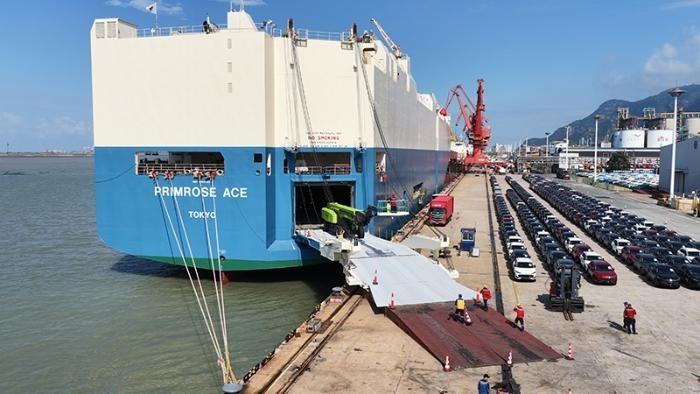
The bZ5 is a China-market car exported by independent traders, so the factory warranty that applies in China does not follow it abroad. EVtoU is an independent exporter, not a Toyota dealer, and we do not offer a mileage guarantee. What we do is supply cars inspected before shipment, with photos and video, and discuss parts support on fleet orders. Build a local relationship with an independent EV workshop before the first cars arrive; FinDreams motors and LFP packs are used across many BYD vehicles, which helps with diagnostics and parts sourcing.
Use real data from your own fleet: log the range at full charge every month for each car. That tells you more about battery health than any brochure, and it supports resale when cars leave the fleet.
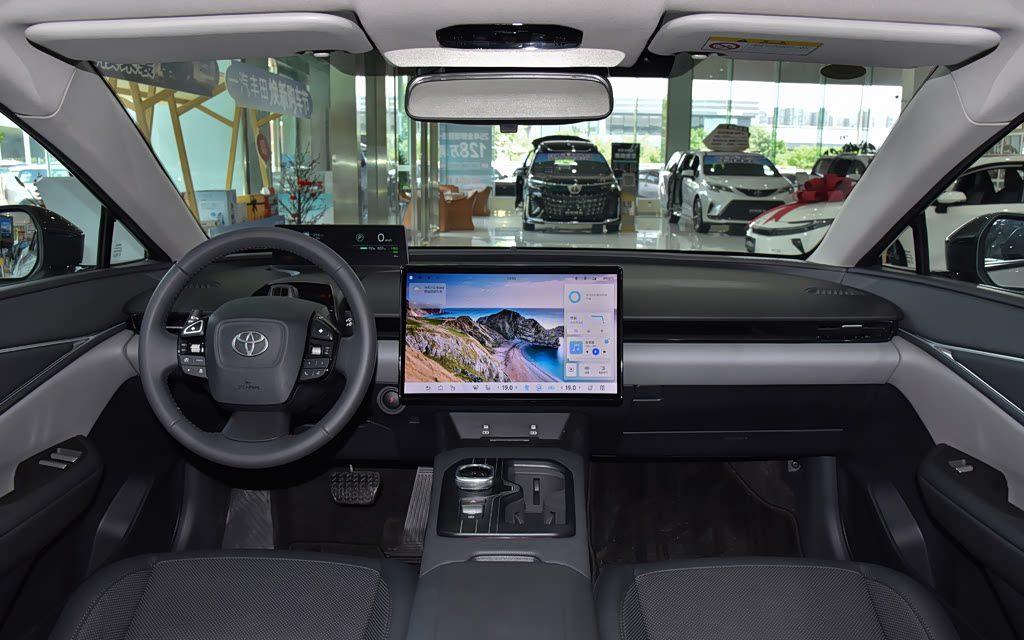
For the wider case for the bZ5 in fleets, read why the bZ5 is a strong fleet and taxi SUV. Cold-climate operators should also read our Russia and Kazakhstan market notes.
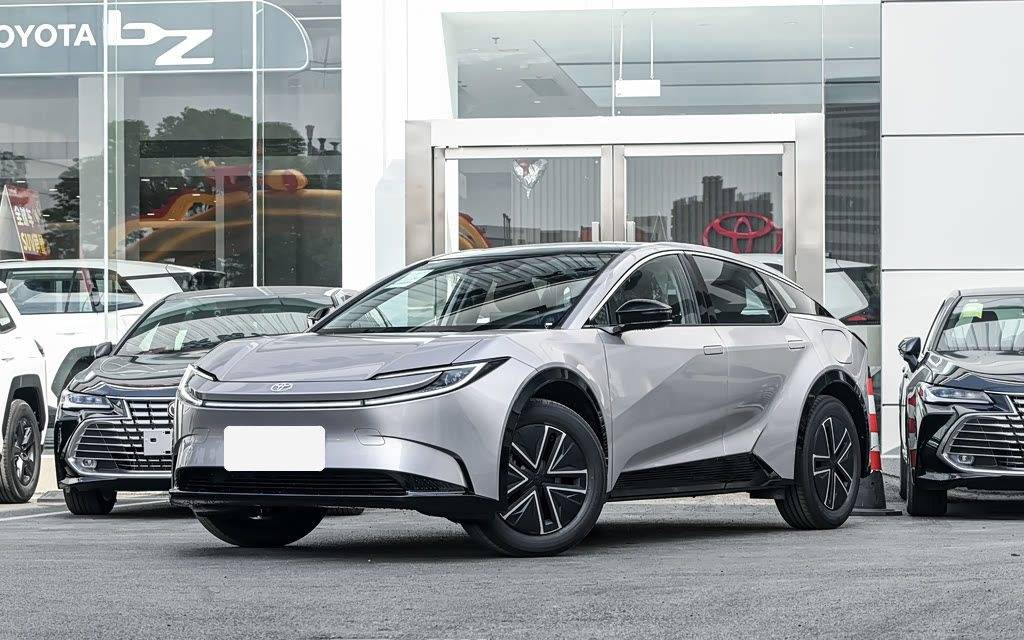
2027 · Electric SUV · LHD
Toyota bZ5 2027 550 JOY
- Range
- 550 km
- Battery
- 65.28 kWh
- Power
- 200 kW
Export price
Price on request
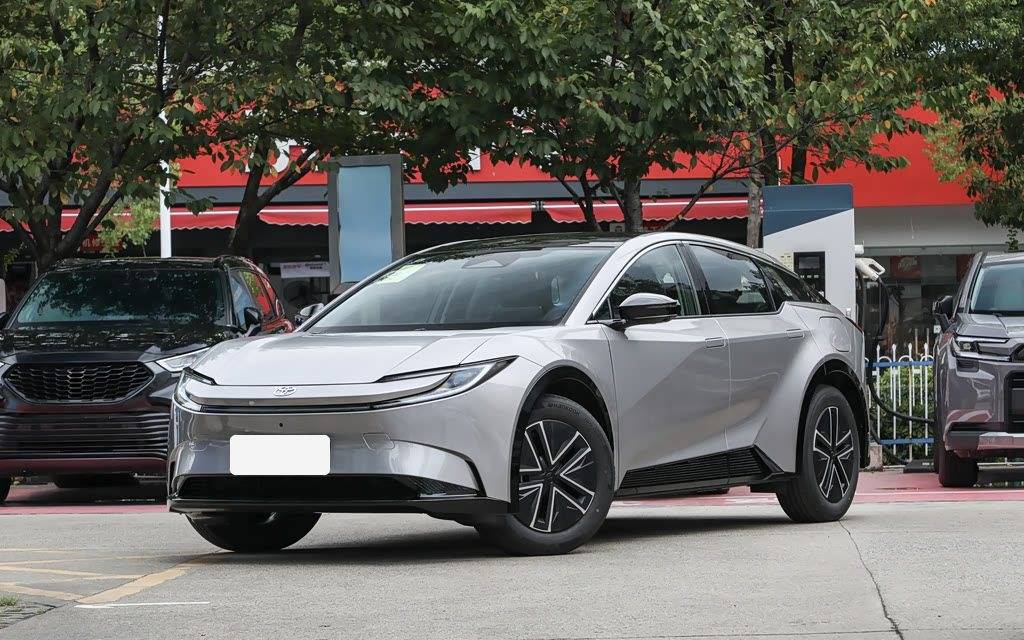
2027 · Electric SUV · LHD
Toyota bZ5 2027 550 PRO
- Range
- 550 km
- Battery
- 65.28 kWh
- Power
- 200 kW
Export price
Price on request
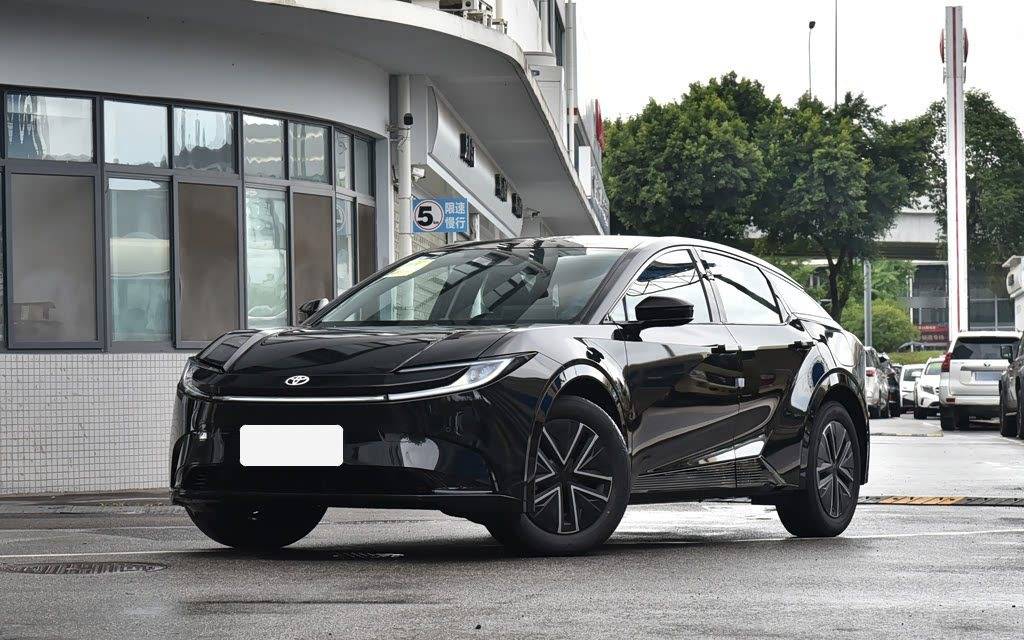
2025 · Electric SUV · LHD
Toyota bZ5 2025 550 JOY
- Range
- 550 km
- Battery
- 65.28 kWh
- Power
- 200 kW
Export price
Price on request